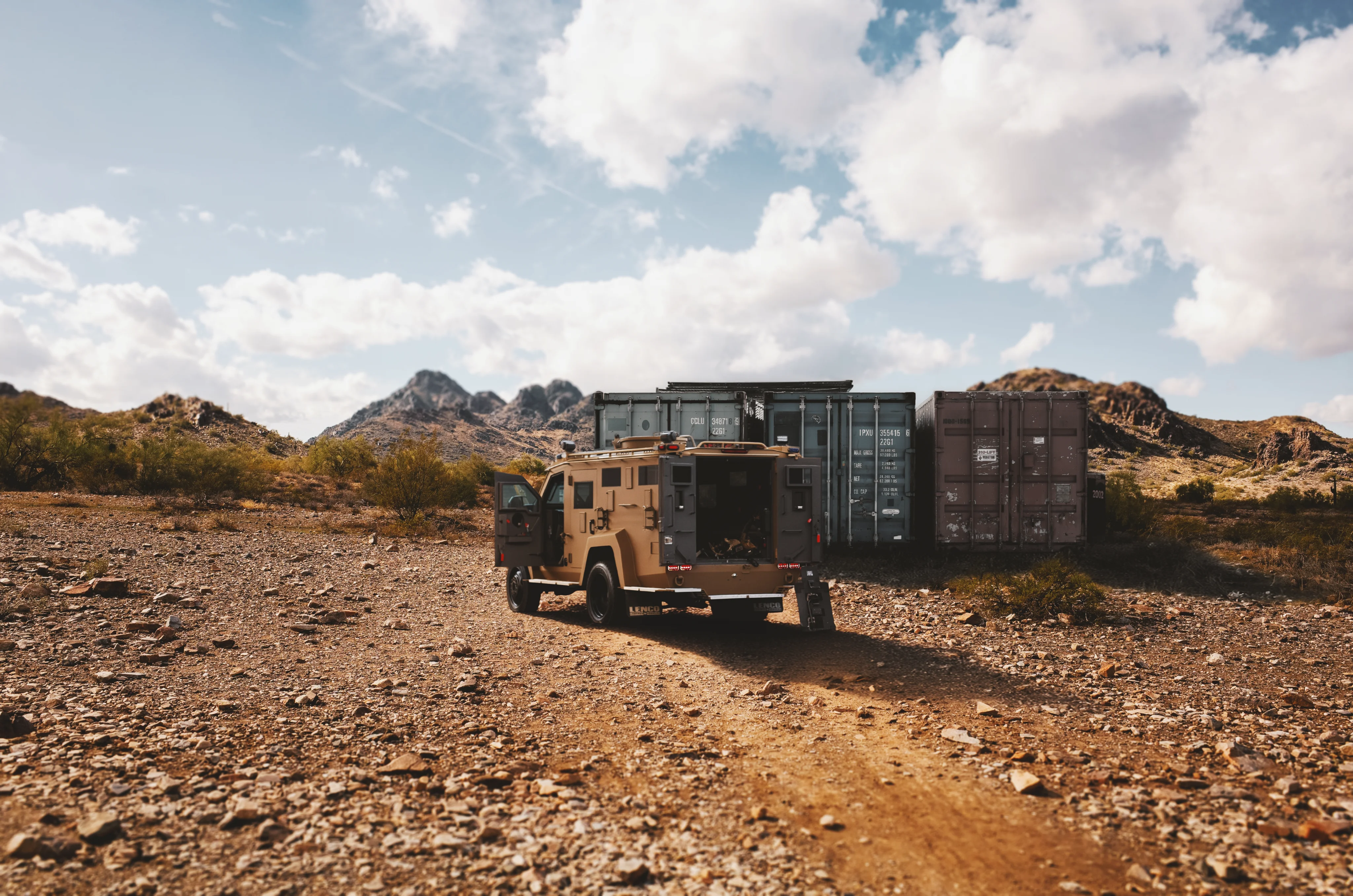
The nation's coordinated
assault on cartels.

The threat doesn't respect borders.
The response has to match it.
Transnational criminal organizations don't operate like domestic criminals. They move across jurisdictions, exploit gaps between agencies, and operate at a scale no single law enforcement body was built to handle alone. Fentanyl flowing into American communities. Cross-border trafficking networks. Cartel-controlled smuggling routes running directly into American cities. The Homeland Security Task Force was created to close those gaps — a permanent, unified federal response that operates everywhere these networks do.
Six threat categories.
One coordinated response.
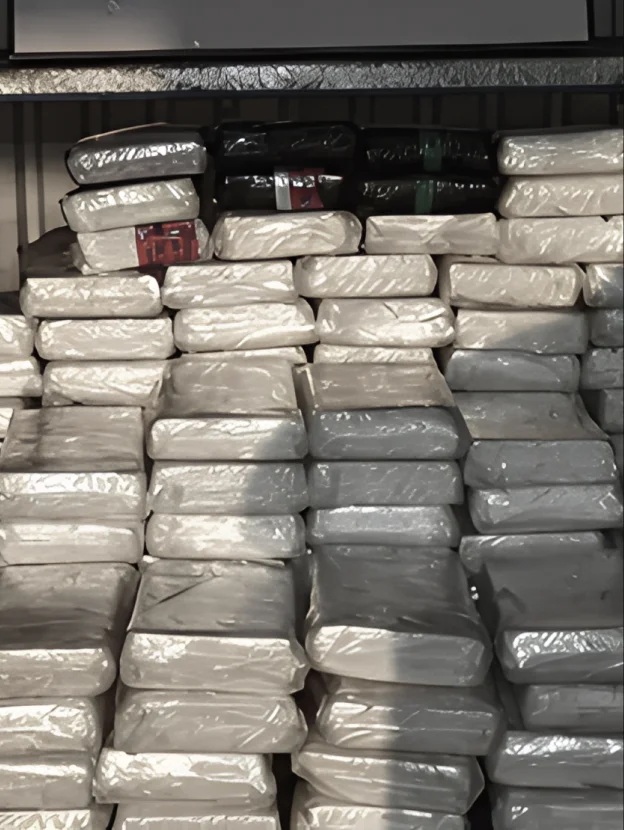
Narcotics & Contraband
Cartel-driven drug trafficking across borders and distribution networks — fentanyl, cocaine, methamphetamine, heroin.
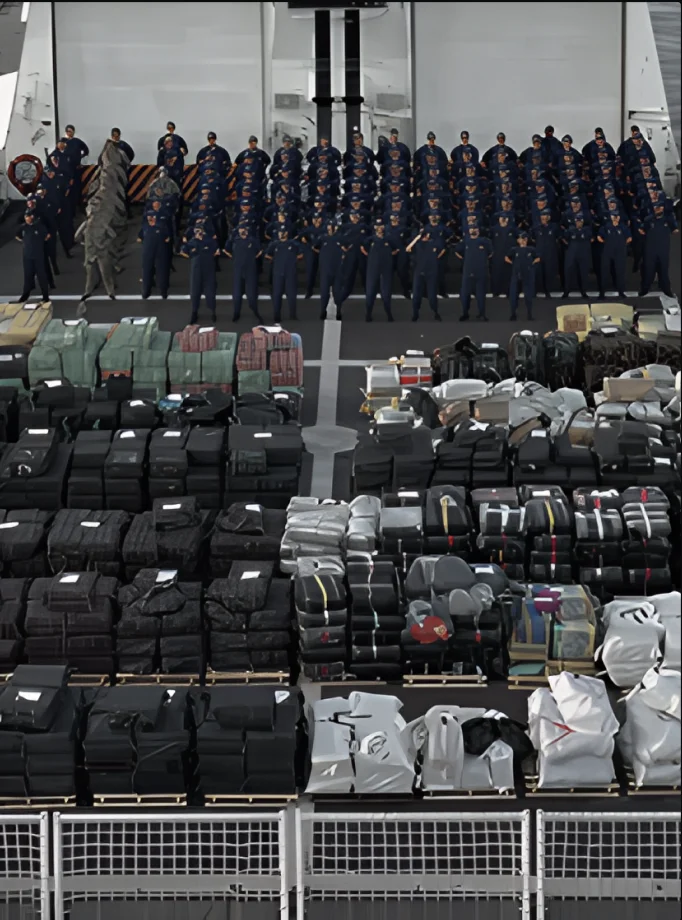
Human Trafficking & Smuggling
Dismantling cross-border trafficking and smuggling networks. Priority focus: offenses involving children.

Weapons Trafficking
Intercepting illegal firearms flowing across international borders and into American communities.

Financial Crimes
Targeting the money — illicit proceeds, laundering networks, and terrorist financing that fund cartel and gang operations.
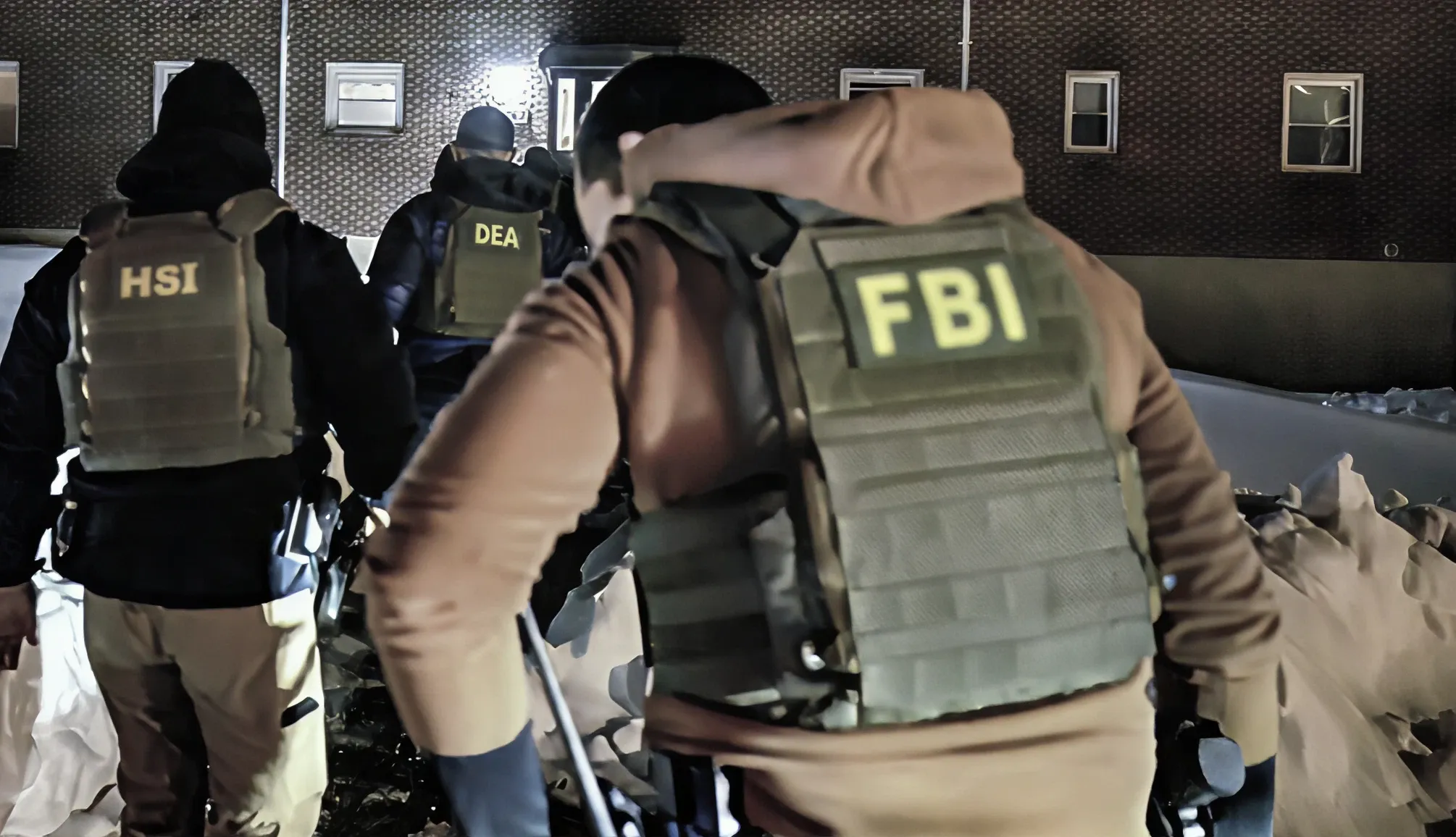
Transnational Gangs
Disrupting Foreign Terrorist Organizations including MS-13 and Tren de Aragua operating across national borders.
Intelligence Fusion
Combining intelligence community data with federal law enforcement investigations — for the first time at this scale.
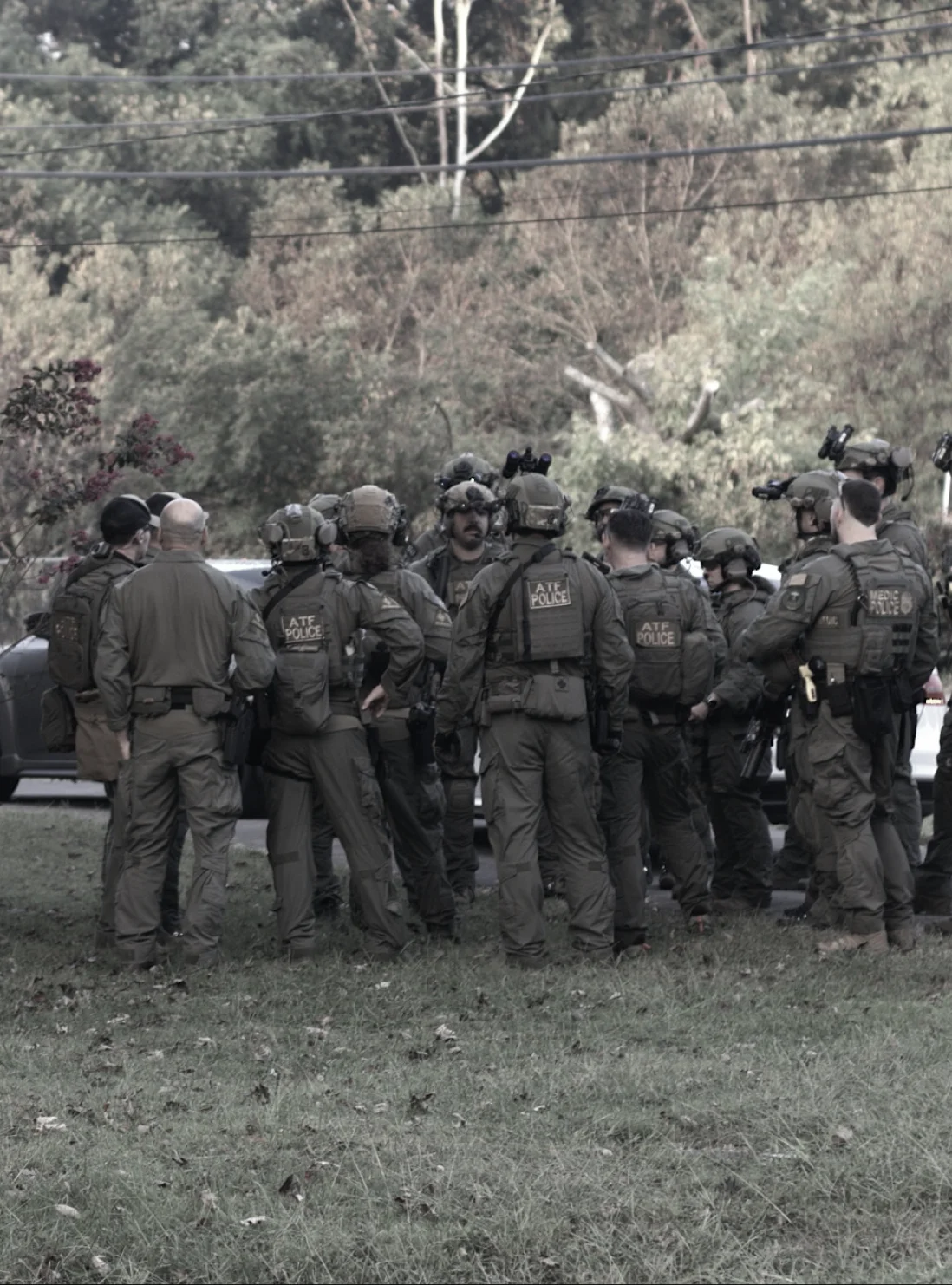
The September Surge
Results from six weeks of
maximum enforcement.
Federal, state, and local law
enforcement—working as one.
National Coordination Center
The operational hub of the HSTFs, co-led by HSI and the FBI in Fairfax, VA. Directs resources, coordinates criminal network analysis, and deconflicts targets across task forces nationwide.
Interagency Fusion Cell
Established by Homeland Security Council directive. Integrates foreign intelligence, domestic law enforcement, and federal investigative data into a single operational picture — driving enforcement action around the clock.
National Executive Committee
Senior HSI and FBI leadership co-chair this body, setting priorities for all 30 regional task forces and maintaining the national operational picture — so resources go where they're needed most.
Law Enforcement Partners Council
The formal channel between the task force and state, local, tribal, and territorial law enforcement — how regional trends surface nationally and national priorities get coordinated with local partners.
Regional Task Forces
30 regional task forces and 29 satellite offices cover every state, D.C., and Puerto Rico. Each is co-led by an HSI and FBI Special Agent in Charge, operating under the National Executive Committee.
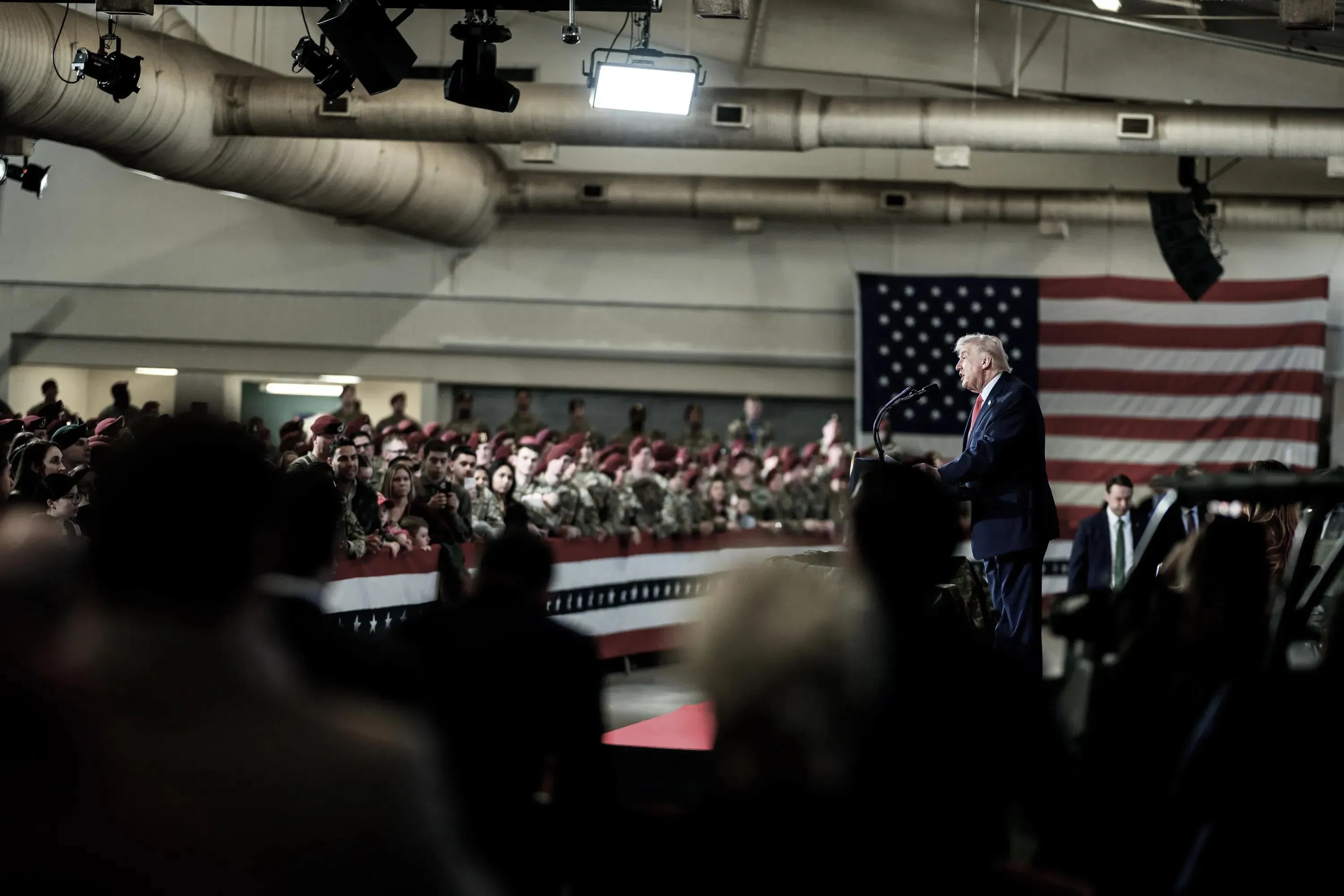
“For the first time, law enforcement will have a permanent task force in every state and territory nationwide.”
Nationwide coordination across
52 states and territories.
Twenty-plus federal agencies.
Hundreds of state, local, and
international partners.










From executive order
to full capacity in nine months.
The President created a permanent, interagency task force to combat transnational criminal organizations in every U.S. state and territory.
Cartels designated as Foreign Terrorist Organizations and Specially Designated Global Terrorists — unlocking new tools to disrupt their operations and finances.
The National Coordination Center stood up — aligning law enforcement investigations across the country with whole-of-government efforts for the first time at national scale.
A second executive order strengthened and expanded law enforcement authorities across the task force network.
All 30 regional task forces and 29 satellite offices operational — covering every state, D.C., and Puerto Rico.
Frequently Asked Questions
The Homeland Security Task Force (HSTF) is a permanent, interagency law enforcement task force created by executive order to combat transnational criminal organizations — including cartels, trafficking networks, and foreign terrorist organizations — across all 52 U.S. states and territories.
The HSTF is co-led by Homeland Security Investigations (HSI) and the Federal Bureau of Investigation (FBI), with oversight from the National Executive Committee comprising senior leadership from both agencies.
There are 30 regional task forces and 29 satellite offices covering every state, Washington D.C., and Puerto Rico. Each regional task force is co-led by an HSI and FBI Special Agent in Charge.
The National Coordination Center is the operational hub of the HSTF network, co-led by HSI and the FBI in Fairfax, Virginia. It directs resources, coordinates criminal network analysis, and deconflicts targets across task forces nationwide.
The HSTF targets six primary threat categories: narcotics and contraband trafficking, human trafficking and smuggling, weapons trafficking, financial crimes, transnational gangs, and intelligence fusion operations.
While Joint Terrorism Task Forces focus primarily on terrorism-related investigations, the HSTF specifically targets transnational criminal organizations including cartels and their operations across borders, integrating both intelligence community data and law enforcement investigations.
State and local agencies participate through the Law Enforcement Partners Council, the formal channel between the task force and state, local, tribal, and territorial law enforcement. Over 440 state and local agencies are currently partnered with the HSTF.
The HSTF focuses on criminal enforcement against transnational criminal organizations, including cartels, trafficking networks, and terrorist organizations. Civil immigration enforcement falls under separate authorities.
The HSTF operates through existing federal agency budgets and appropriations, with resources directed by the National Coordination Center to ensure efficient deployment across all 30 regional task forces.
Federal, state, local, tribal, and territorial law enforcement agencies can coordinate with the HSTF through the Law Enforcement Partners Council or by contacting their nearest regional task force office.